Your Gut’s Hidden Heroes:
Your Gut’s Hidden Heroes: Supporting Vitality and Health
Your gut is home to an amazing system that works hard to keep you healthy. Think of it as a carefully balanced ecosystem, with each part playing a crucial role. Deep inside your colon, there’s a special balance of oxygen levels that helps certain bacteria thrive. These bacteria are essential for digestion, immunity, and even energy. But keeping this balance isn’t automatic—it takes energy and care.
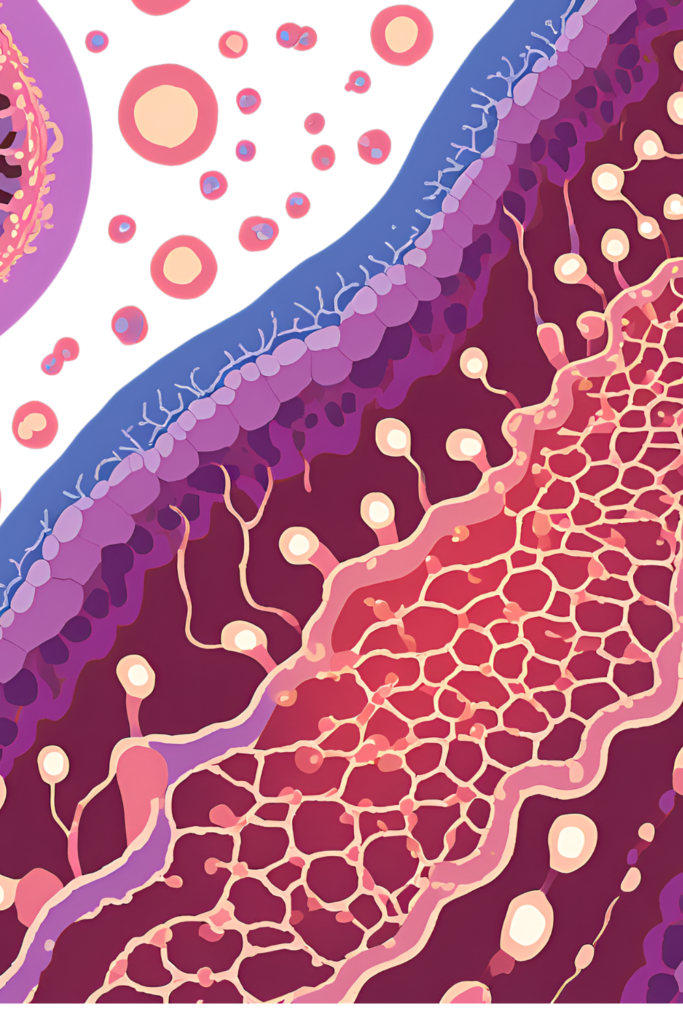
When things go wrong, like when oxygen levels rise due to low energy in your cells, your good bacteria can start to disappear. In their place, harmful bacteria take over. This shift can lead to inflammation, poor digestion, and even other health problems. It’s a reminder of how delicate the gut’s balance really is.
The Unsung Heroes of Your Gut
Two types of cells work tirelessly to protect your gut. Colonocytes line your colon walls, deciding what gets through and what stays out, much like gatekeepers. They also help maintain that important oxygen balance. Then there are goblet cells, which produce mucus to shield your gut lining. Together, they create a strong defense system to keep your gut functioning well.
When these cells are healthy, they support a strong gut barrier, help absorb nutrients, and keep your microbiome balanced. But when they’re not, the entire system can break down, leading to bigger health issues.
What Are Endotoxins and Why Do They Matter?
When harmful bacteria take over your gut, they release substances called endotoxins. These are tiny molecules that can cause big problems. Endotoxins from harmful bacteria are more dangerous than those from good bacteria. They can trigger chronic inflammation, damage your immune system, and even contribute to long-term conditions like diabetes or autoimmune diseases.
When your gut is healthy, beneficial bacteria help keep these harmful endotoxins in check. But when the balance tips in favor of bad bacteria, the production of harmful endotoxins increases. This can create a cycle of inflammation and gut damage that’s hard to break.
The Role of Mitochondria in Gut Health
Mitochondria are like little power plants inside your cells, producing the energy needed to keep your colon healthy. In the gut, colonocytes depend heavily on this energy to function properly. Without enough energy, oxygen levels in the colon can rise, encouraging harmful bacteria to grow. These bad bacteria release the dangerous endotoxins that fuel chronic inflammation.
Maintaining healthy mitochondria is key to keeping your gut—and the rest of your body—in balance.
Challenges of Rebuilding a Healthy Gut
Rebuilding your gut’s microbiome isn’t always easy. Some beneficial bacteria, like Akkermansia, are incredibly sensitive to oxygen, making them tough to deliver through supplements. Even most probiotics on the market don’t effectively reach your colon. This is an area where science is still catching up, and researchers are working on new ways to support your gut with more effective options.
Environmental Factors and Gut Health
Modern life brings challenges for your gut health. Toxins like microplastics, unhealthy oils, and even electromagnetic fields can harm your mitochondria. When these powerhouses of your cells aren’t working well, it’s harder for your gut to maintain its oxygen-free environment. This allows harmful bacteria to thrive, replacing the good ones and increasing the production of harmful endotoxins. The result? More inflammation, less resilience, and poorer overall health.
Why Your Gut Deserves Your Care
Taking care of your gut isn’t just about eating right—it’s about supporting the entire system that keeps it balanced. From the cells that protect your gut lining to the mitochondria that fuel them, every part plays a role in your overall health. When you nurture this system, you’re giving your body the tools it needs to thrive.